SimpliSafe launches $199 Video Doorbell with human‑monitoring Active Guard
SimpliSafe’s Video Doorbell Series 2 adds AI alerts and a paid live‑guard service, giving homeowners a human eye on the front door for $199 plus a $49.99 monthly fee.
 BuildPreview AI Desk
3 min read
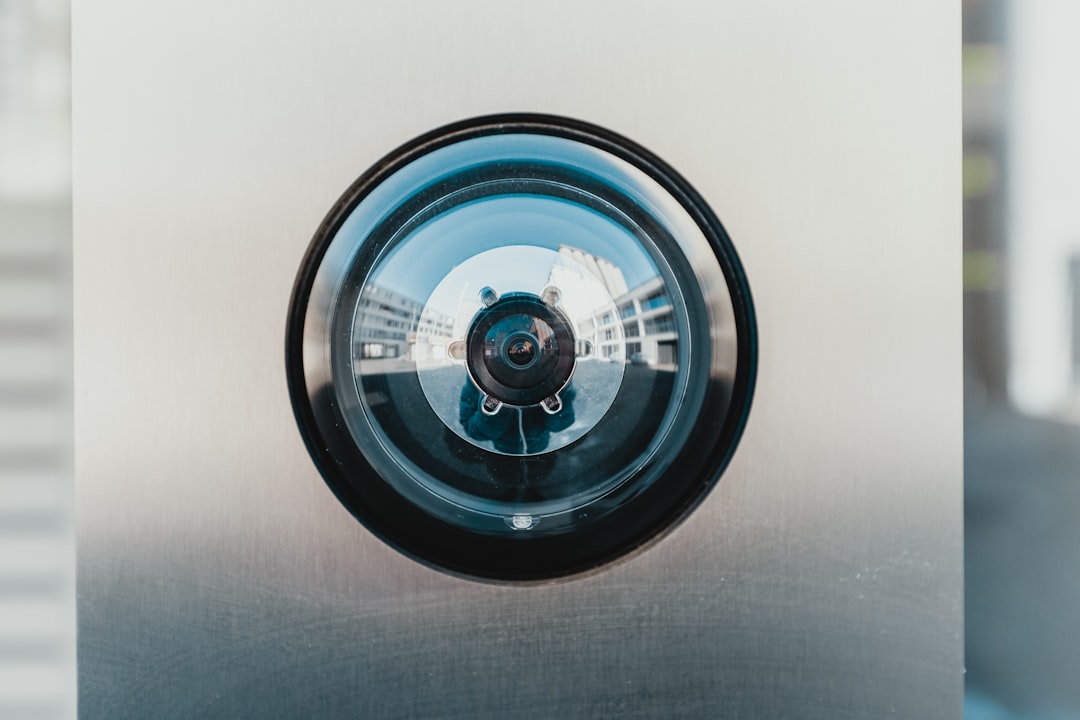
SimpliSafe introduced the Video Doorbell Series 2 on September 15, pairing a 2K, 10x‑zoom camera with its Active Guard live‑monitoring service. The doorbell retails for $199.99, while the optional human‑guard subscription starts at $49.99 a month, and it requires a SimpliSafe base station and a Pro or Plus monitoring plan.
Key points
- Video Doorbell Series 2 offers 2K resolution, 150‑degree view, and dual‑band Wi‑Fi.
- Active Guard combines on‑device AI, cloud vision, and live agents to intervene.
- Service costs $49.99 /mo and is limited to armed, triggered events.
- Ring’s Virtual Guard provides a similar human‑monitoring option at $99 /mo.
What happened
SimpliSafe announced the doorbell’s launch alongside the Active Guard Outdoor Protection add‑on. When the camera flags suspicious motion, the system’s AI first analyzes the feed, then streams live video to a monitoring agent who can speak through the built‑in speaker and trigger the siren. The company says agents can "see, speak to, and attempt to deter potential intruders and package thieves," according to its product description.
The hardware includes a wired installation, 10× digital zoom, a 150‑degree head‑to‑toe field of view, two‑way audio, and a built‑in siren. Smart alerts differentiate people from packages, and a five‑second pre‑roll video captures motion before the trigger. The device works with any SimpliSafe plan, but only Pro or Plus plans unlock the live‑guard feature. SimpliSafe’s privacy page notes that footage is encrypted at rest and in transit, and it "won’t share camera footage with law enforcement unless required by law." Color‑coded LEDs show when an agent (amber) or the homeowner (blue) is speaking.
The backstory
Active Guard debuted on SimpliSafe’s indoor cameras in 2023, expanded to outdoor cameras in 2024, and now arrives on the doorbell. The service is opt‑in; agents only view live footage when the system is armed and a trigger occurs. Ring introduced a comparable Virtual Guard feature that integrates with its Ring Alarm system for $99 a month, positioning both offerings as premium layers on top of existing DIY security ecosystems.
Operational trade‑offs
The hybrid model—AI front‑end with human back‑up—offers higher false‑alarm mitigation than pure AI solutions, but it adds recurring costs and privacy considerations. Businesses must weigh the $49.99 monthly fee against potential savings from avoided false‑alarm fines or reduced insurance premiums. Encryption without end‑to‑end protection means the company, not the user, holds the decryption keys, which may affect compliance for regulated industries.
Market implications
SimpliSafe’s move signals a broader shift toward subscription‑based human oversight in home security, a niche previously dominated by Ring. By pricing the doorbell lower than many competitors while monetizing the guard service, SimpliSafe aims to capture price‑sensitive homeowners who still value the reassurance of a live operator. Competitors may respond with bundled pricing or tighter AI models to preserve margins, potentially accelerating the convergence of AI and human monitoring across the sector.
What builders and businesses should do
- Evaluate the total cost of ownership: hardware price plus the $49.99 /mo guard fee versus alternative solutions.
- Review privacy policies to ensure encryption and data‑sharing practices meet corporate compliance standards.
- Test the doorbell’s AI accuracy in your environment before enabling live‑guard to avoid unnecessary alerts.
- Consider integrating the doorbell with existing security workflows to streamline incident response.
The bottom line
SimpliSafe’s doorbell blends AI detection with paid human monitoring, creating a new cost structure for front‑door security. Watch for adoption rates and any pricing adjustments as the market tests the value of live‑guard services.