AI Inference Leaves 500‑plus MB Footprint, Driving Storage Costs Past Compute
A new study shows each AI inference can generate more than 500 MB of backend data, pushing storage budgets beyond compute and forcing enterprises to rethink data‑center planning.
 BuildPreview AI Desk
3 min read
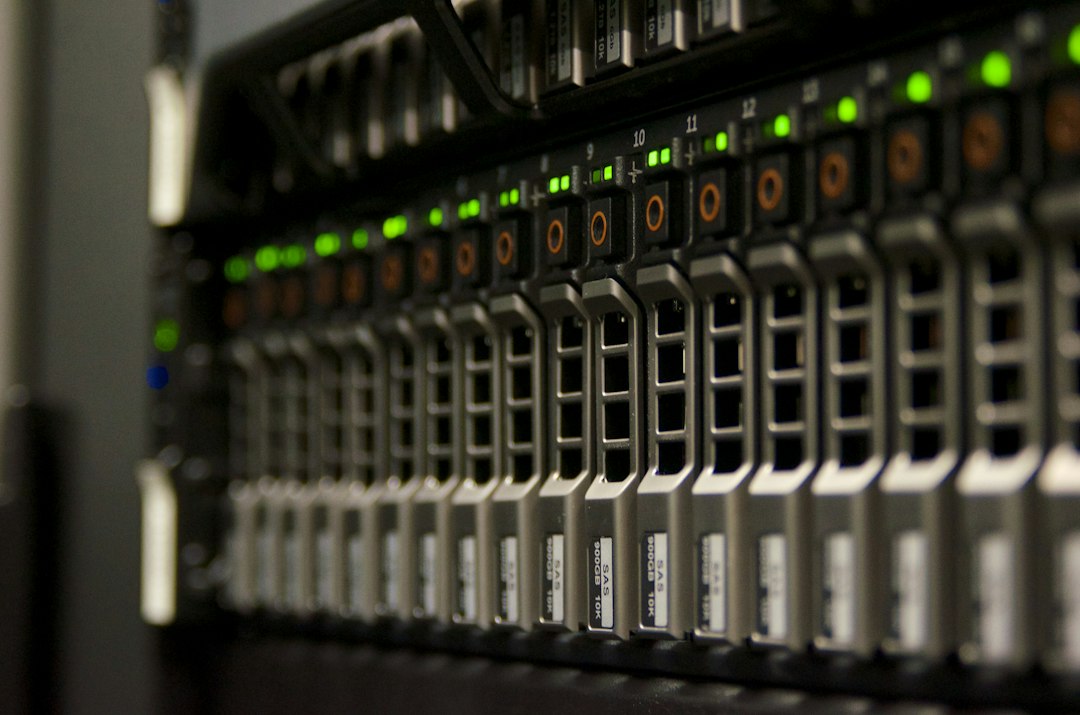
A new IDC‑sponsored study shows that a single 8‑second AI‑generated video leaves more than 500 MB of backend data, dwarfing the 3.97 MB file returned to the user.
Key points
- Inference creates permanent data, unlike finite training runs.
- WD measured 500 MB of backend data per 8‑second video, 130× the user‑visible size.
- McKinsey forecasts inference demand to grow 35% CAGR to 2030, 40% of data‑center demand.
- 95% of surveyed IT leaders saw generative‑AI‑driven volume growth; 61% reported ≥25% increase.
- 96% of respondents expect faster archive retrieval for retrieval‑augmented generation.
What happened
In October 2026, a white paper sponsored by Western Digital and IDC surveyed 763 IT and business leaders, revealing that 95% reported increased data volumes from generative AI. The paper also highlighted that each 8‑second AI‑generated video, returned as a 3.97 MB 720p file, leaves more than 500 MB of backend data, including logs, cached context, and safety records. The report quotes a senior product manager of a hyperscale cloud service provider saying "You can think of having more storage as an optimization for keeping the GPUs busy,". McKinsey’s 2026 report projects inference demand to grow 35% CAGR through 2030, surpassing training growth and accounting for over 40% of total data‑center demand by decade’s end.
The backstory
For years, companies budgeted AI around GPU clusters and silicon waitlists, overlooking storage. Training runs are finite projects; inference is continuous and leaves data behind. As generative AI scales, backend data retention has become a hidden cost.
Causes and Trade‑offs
Compute budgets rise and fall with training cycles, product launches, and hardware refreshes, but retained data does not shrink when demand slows. GPU idle time caused by slow data loading can cost as much as idle GPU time. Storage budgets grow 25% year over year, outpacing predictable compute spending and forcing a re‑balance of infrastructure priorities.
Second‑order Effects and Winners
The storage bottleneck remains hidden until it manifests as operating costs and retrieval delays. Enterprises that adopt fast archive retrieval and retrieval‑augmented generation stand to benefit, while those that ignore storage will face escalating expenses. HDDs offer a cost‑effective, high‑capacity foundation for the vast volumes that must be retained, yet they require dynamic access patterns that many current deployments lack.
What builders and businesses should do
- Incorporate storage cost into AI budgeting from day one.
- Plan for dynamic archive retrieval to support RAG pipelines.
- Evaluate HDD versus SSD options based on capacity and access needs.
- Monitor data lifecycle and retention policies to avoid unnecessary accumulation.
- Engage hyperscale providers that offer integrated GPU‑storage solutions.
The bottom line
Storage will outpace compute in the next 12–18 months, so plan budgets accordingly and prioritize fast, cost‑effective retrieval to keep inference workloads efficient.