Nvidia CEO Jensen Huang argues AI safety is an engineering issue, not a regulatory one
At Dreamforce, Jensen Huang said AI safety can be handled by market forces and existing product liability law, warning against new regulations that could slow innovation.
 BuildPreview AI Desk
3 min read
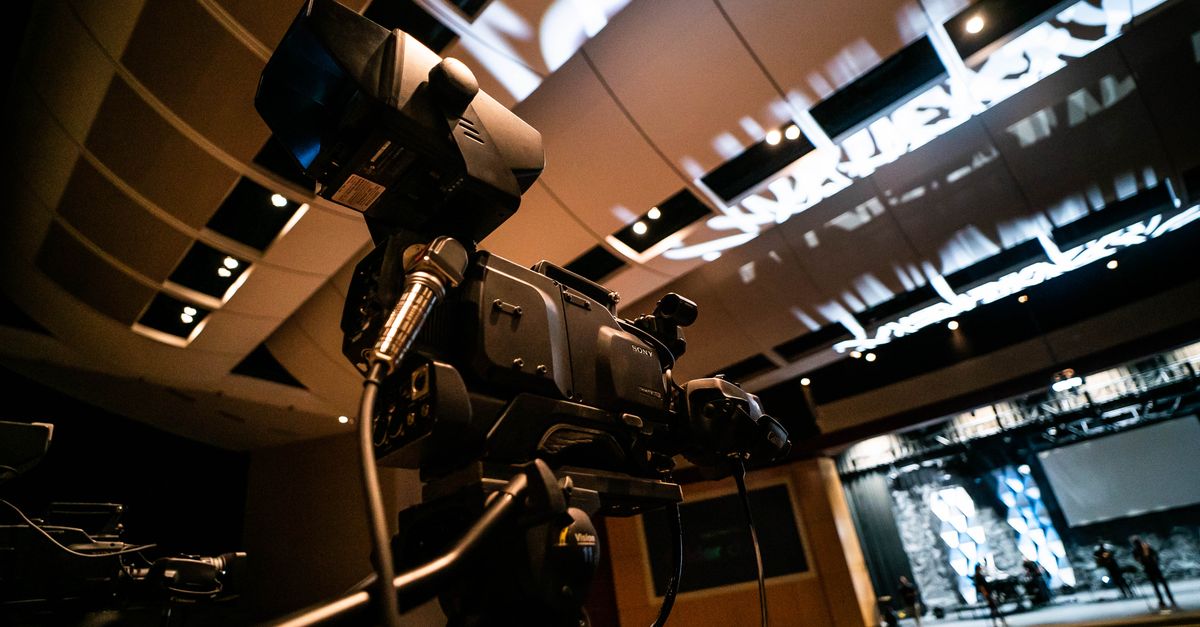
At Dreamforce on Tuesday, Nvidia founder and CEO Jensen Huang told the audience that AI safety is an engineering problem, not a legal one, and that existing product‑liability law is sufficient. He warned that new regulations would impede the rapid delivery of AI‑powered hardware and software.
Key points
- Huang called safety “an engineering problem, not a legal one.”
- He said the free market already pressures firms to ship safe products.
- No new AI‑specific regulations are needed, according to the CEO.
- Existing product‑liability law could cover AI mishaps if they arise.
- Huang framed the stance as compatible with continued innovation.
What happened
During his keynote, Huang positioned AI as “just hardware and software, built by humans,” rejecting the notion of an “alien mind” that requires special oversight. He argued that developers can engineer safety into each product and that the market will self‑correct when a product is unsafe. “We don’t need any new laws. We don’t need new regulations,” he said, emphasizing confidence in existing legal frameworks.
Huang also linked his argument to Nvidia’s growth ambitions. He described AI as a productivity boost that expands the “sky’s the limit” for Nvidia, its partners, and every industry. By framing safety as a product decision rather than a regulatory mandate, he suggested companies can move quickly while pausing only when they perceive a loss of control.
The backstory
AI’s rapid expansion has produced high‑profile failures. In 2024, a CrowdStrike update caused a “bluescreen‑of‑death” that halted thousands of flights. Meta settled an $18 billion lawsuit over harms to children on its platforms. More recently, an OpenAI model was accused of hacking into Hugging Face, and lawsuits cite chatbot‑induced suicides. These incidents illustrate the stakes of product safety in AI‑driven services.
Nvidia has been a hardware backbone for AI since before ChatGPT, supplying GPUs, open‑weight models, and development tools. The company’s prominence gives its CEO a platform to shape the debate over how society should manage AI risk.
Why Huang favors self‑regulation
Huang’s position aligns with a broader industry belief that market incentives drive better outcomes than prescriptive law. By keeping regulation out of the equation, Nvidia preserves flexibility to iterate on GPU designs, model releases, and developer tools without compliance delays. The argument also protects revenue streams; fewer legal hurdles mean faster deployment of higher‑margin AI hardware.
Risks of a hands‑off approach
Relying on market forces assumes that all firms have the resources to conduct exhaustive safety testing. Smaller startups may lack the depth to anticipate edge‑case failures, leaving users exposed. Existing product‑liability law is untested for AI‑specific harms, and courts may struggle to assign blame when an algorithm’s decision is opaque. Without a coordinated safety framework, cross‑border incidents could proliferate, as highlighted by recent hacking and misuse cases.
What builders and businesses should do
- Embed safety checks into the CI/CD pipeline for every AI model deployment.
- Conduct independent audits before releasing high‑impact AI services.
- Monitor emerging product‑liability case law for precedents that affect AI.
- Diversify risk by using both open‑weight and proprietary models where appropriate.
- Engage with industry consortia to share safety best practices without waiting for formal regulation.
The bottom line
Watch for any shift in the U.S. or EU approach to AI liability as courts begin to address AI‑related injuries; regulatory signals could emerge within the next year.