Crusoe Secures $3.9 B Series F to Expand Megacenter and Deploy Modular AI Factories
Crusoe raised $3.9 B, valuing the data‑center developer at $30.9 B, to fund a Texas AI hub and truck‑portable Spark units, signaling a shift in AI infrastructure supply.
 BuildPreview AI Desk
3 min read
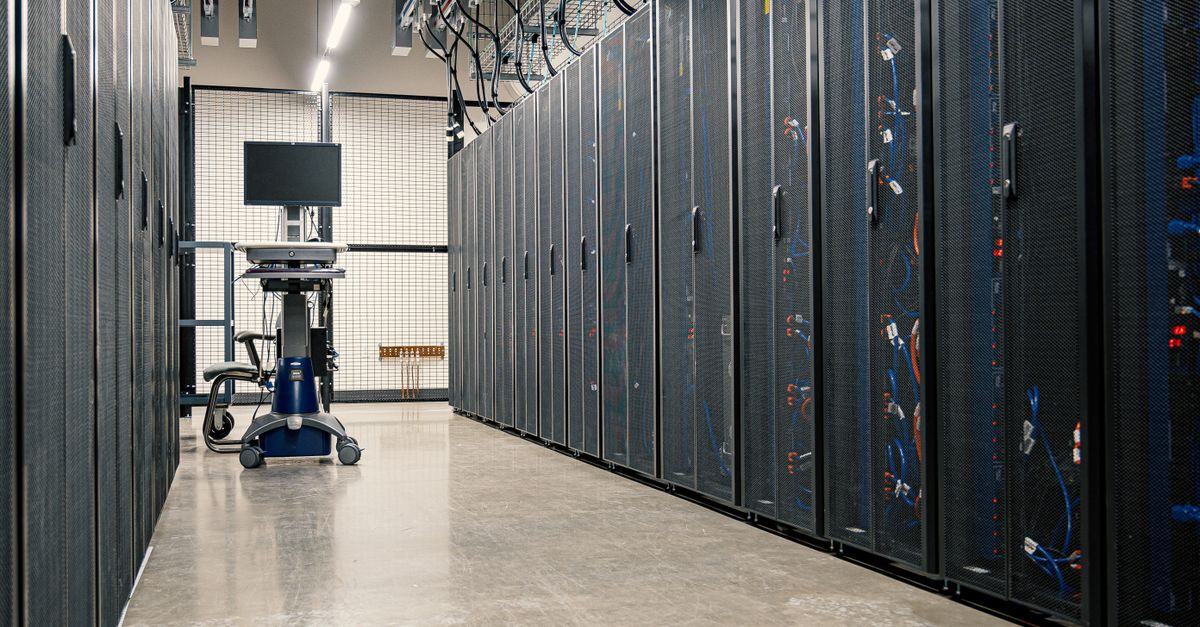
Crusoe announced a $3.9 billion Series F round on Thursday, pushing its valuation to $30.9 billion and earmarking the cash for a sprawling Texas site used by OpenAI and a fleet of modular "Spark" AI factories that can be moved by truck.
Key points
- Crusoe raised $3.9 B in Series F, valuing it at $30.9 B.
- Funding will finance a Texas megacenter and portable “Spark” AI factories.
- New board adds Cloudflare CFO Thomas Seifert, Primary Digital CIO Bill Stein, Redwood Materials CEO JB Straubel.
- Business model mixes colocation, GPU rental, and inference services.
- Recent $13 B, five‑year contract with Jane Street highlights demand.
What happened
The round was co‑led by Atreides Management, Mubadala Capital, and Valor Equity Partners. Participants included Founders Fund, GIC, Nvidia, Qatar Investment Authority, Radical Ventures, and TPG. In the same filing, Crusoe named three new board members: Cloudflare chief financial officer Thomas Seifert, Primary Digital Infrastructure partner Bill Stein, and Redwood Materials founder JB Straubel, who also sits on Tesla’s board.
Crusoe’s fresh capital will back existing projects, notably a large data‑center complex in Abilene, Texas that currently hosts OpenAI workloads. It will also finance the production of Spark, a modular data‑center unit built in Crusoe’s own factories and designed for rapid deployment to any site with sufficient power.
CEO Chase Lochmiller said the raise reflects a belief that AI will usher in an era of abundance, adding that the company is "controlling the infrastructure from electrons to tokens, and we’re grateful to have investors who share that conviction." The firm also disclosed a $13 billion, five‑year cloud contract with quantitative‑trading firm Jane Street to supply GPUs and AI infrastructure, according to Bloomberg.
The backstory
Founded in 2018 as a crypto‑mining operation that burned flared natural gas, Crusoe pivoted to AI infrastructure as demand for compute surged. The shift attracted marquee customers such as Meta, Microsoft, and Oracle. A $1.38 billion raise in October 2025 set a $10 billion valuation, which this latest round more than triples. The company has been courting investment banks, including Goldman Sachs and Morgan Stanley, to explore an IPO within the next year.
Why modular AI factories matter
Modular Spark units sidestep the political friction that large, permanent data‑center projects often encounter. By shipping a self‑contained rack on a trailer, Crusoe can place compute capacity near renewable‑heavy grids or in regions with abundant excess power. The approach also reduces construction timelines and labor costs, allowing the firm to scale capacity faster than rivals that rely on traditional builds.
Market implications and competitive dynamics
Crusoe’s three‑pronged revenue model—colocation, GPU rental, and inference services—creates a diversified cash flow that appeals to both enterprise and fintech customers. The Jane Street contract demonstrates that high‑frequency traders value on‑premise GPU access for latency‑sensitive workloads. Competitors such as CoreWeave and Lambda Labs may feel pressure to offer similar modular solutions or risk losing market share to Crusoe’s faster‑to‑market deployments.
What builders and businesses should do
- Evaluate modular Spark units for workloads that need rapid geographic repositioning.
- Compare colocation versus GPU‑rental pricing to determine the most cost‑effective model for your AI stack.
- Track Crusoe’s IPO timeline; a public offering could affect pricing and availability of its services.
- Align procurement strategies with providers that bundle inference services to capture downstream revenue.
- Monitor community and regulatory sentiment around large data‑center projects to anticipate potential siting challenges.
The bottom line
Crusoe’s $3.9 B raise equips it to expand both a flagship Texas hub and a fleet of portable AI factories. Watch for an IPO filing within the next 12 months and for pricing signals from its modular units as the market adjusts to this new supply model.