Ukrainian Drones Disable Yandex Data Centers, Disrupting Russia’s AI Services
Ukrainian FP‑1 drones hit Yandex’s Sasovo and Kaluga data centers, crippling its AI training supercomputers and pulling Russian users offline, a reminder that cloud infrastructure can become a wartime target.
 BuildPreview AI Desk
3 min read
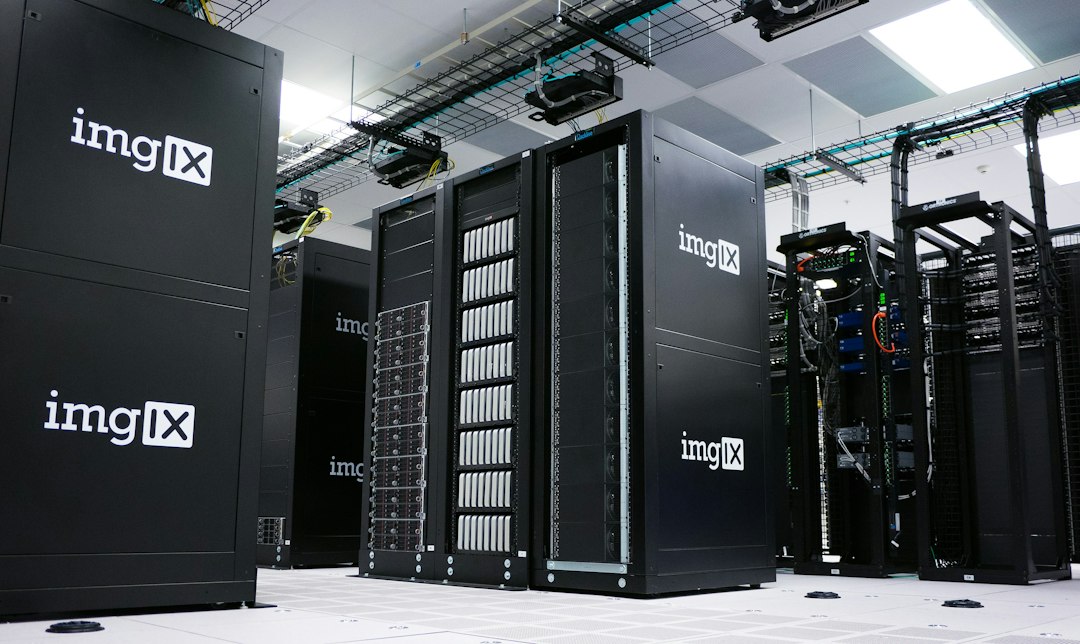
Ukrainian FP‑1 drones struck Yandex’s data centers in the Sasovo and Kaluga regions on October 8 and 9, knocking out two of five facilities and disabling the supercomputers that train the company’s YandexGPT model.
Key points
- Ukraine used FP‑1 one‑way drones in a precise strike on Yandex’s Kaluga center, Russia’s largest Yandex facility.
- The Sasovo data center housed two of Yandex’s three supercomputers that train YandexGPT, a key AI chatbot.
- Russian users reported outages on media sites, banking apps, and the state railway website after the strikes.
- Yandex confirmed no employee injuries but acknowledged service disruptions across Russia.
- This follows a Russian drone campaign that disrupted Ukrainian data centers since late September.
What happened
On October 8, Ukrainian FP‑1 drones hit Yandex’s Sasovo data center, followed by a second strike on the Kaluga facility the next day. The Sasovo site contained two of Yandex’s three supercomputers used to train its YandexGPT model, and the Kaluga center was the company’s largest data center. Yandex reported no employee injuries but confirmed service disruptions, with Russian users experiencing difficulty accessing media websites, the Ivi video streaming platform, the T‑Bank digital banking service, the state‑owned Russian Railways, a dating app, a real‑estate aggregator, a self‑publishing book platform, and the website of the most successful club in the Russian Premier League.
The attacks were part of Ukraine’s symmetrical response to a Russian drone campaign that has targeted Ukrainian data centers since late September. Ukrainian President Volodymyr Zelenskyy posted on X that “another data center was hit as well—our symmetrical response,” and the company Firepoint claimed its FP‑1 drones were involved in the Kaluga strike.
The backstory
Yandex, dubbed “Russia’s Google,” is the country’s most popular search engine and a major AI developer. Russian data centers have become wartime targets in 2026, following earlier attacks on Amazon facilities in Bahrain and the UAE after the U.S. and Israel struck Iran. Russia has repeatedly launched missile and drone strikes against Ukrainian cities, infrastructure, and military assets. Ukraine’s drone campaign has expanded to hit Russian military bases, shipping lanes, energy facilities, and even warehouses of Russian e‑commerce giants Wildberries and Ozon.
Why data centers are strategic targets
Data centers host the computational backbone of AI models, national digital services, and critical infrastructure. Precision drone strikes can cripple a nation’s AI capabilities with minimal collateral damage, making them attractive targets for state actors seeking to disrupt economic and technological advantages. The loss of Yandex’s supercomputers stalls AI training, delays product releases, and erodes user confidence, while the accompanying service outages strain public trust in digital platforms.
Implications for global cloud security and business resilience
The attacks underscore the vulnerability of concentration‑heavy data architectures. Businesses that rely on single‑region or single‑provider cloud solutions face heightened risk of downtime during geopolitical crises. Distributed multi‑region deployments, active-active failover, and robust incident‑response plans become essential. Additionally, cyber‑insurance premiums may rise as insurers reassess exposure to state‑sponsored attacks, and vendors may tighten access controls to mitigate insider threats.
What builders and businesses should do
- Design workloads for multi‑region redundancy, especially for AI training and critical services.
- Deploy real‑time infrastructure monitoring to detect anomalous traffic or physical disruptions.
- Harden physical security of data centers, including blast‑resistant enclosures and controlled access.
- Diversify cloud providers and regions to avoid single points of failure.
- Update incident‑response playbooks to include geopolitical risk scenarios and coordinate with national security agencies.
The bottom line
As Russia and Ukraine continue to target each other’s data centers, other high‑profile Russian tech assets may become next. Businesses should monitor geopolitical developments closely and reinforce cloud resilience before the next month.