Thoughtful Things launches Engram AI sampler on Kickstarter
The startup’s Kickstarter campaign introduces Engram, a hardware sampler that runs a custom, locally‑trained AI model to distort and hallucinate audio, offering a new tool for experimental sound designers.
 BuildPreview AI Desk
3 min read
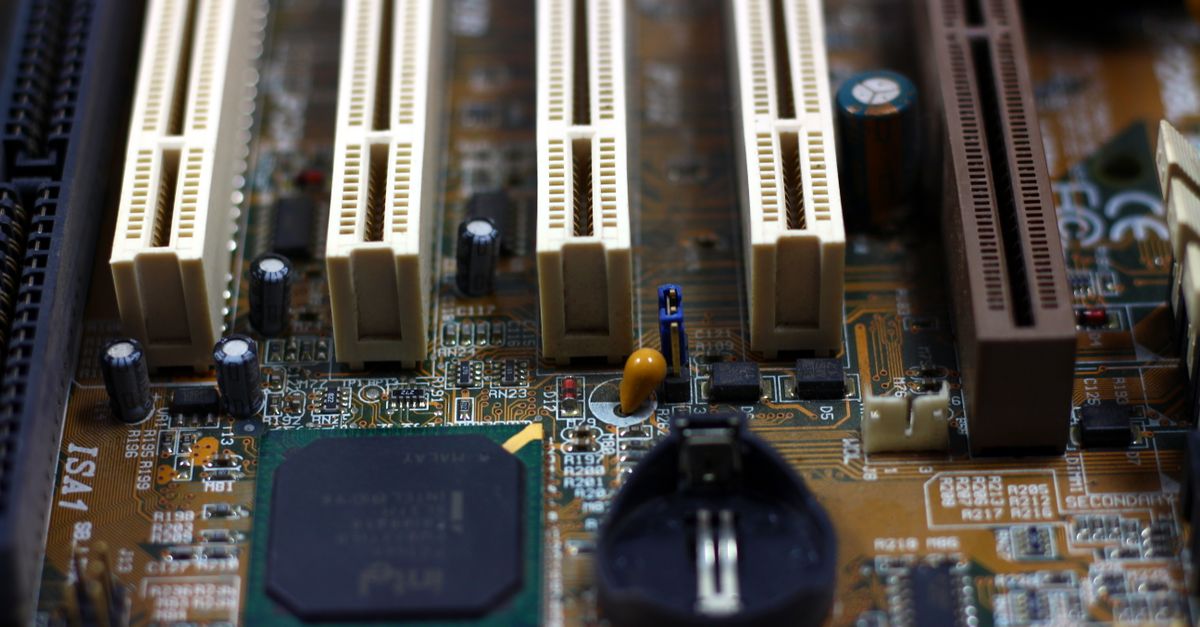
Music startup Thoughtful Things opened a Kickstarter on Sept. 27, 2026 to fund Engram, a $675 sampler that runs a custom AI model locally and promises to turn broken AI hallucinations into usable musical textures.
Key points
- Engram is a hardware sampler and groovebox that manipulates incoming audio with an on‑device AI model.
- The device does not connect to the internet; all inference happens offline.
- Kickstarter pledges start at $675, with a projected retail price near $900.
- Founder Evan King describes the instrument as a “field recorder for latent space.”
- The company vows to use only commercially licensed audio datasets for training.
What happened
Thoughtful Things announced the Kickstarter campaign for Engram, positioning the product as a “field recorder for latent space” that lets users “circuit‑bend” tiny AI models. The campaign video shows founder Evan King speaking the word “piano” into the device, which then emits a glitchy, piano‑like timbre, illustrating the instrument’s capacity to hallucinate new sounds from minimal prompts.
The company says the sampler runs a proprietary model trained on open datasets that are licensed for commercial use, explicitly avoiding any non‑commercial or pirated material. The Kickstarter listing notes a limited run of Engrams at a $675 pledge level, a 30 percent discount off the anticipated retail price of $850‑$900. The campaign also promises to release the firmware, allowing owners to load custom models or tweak existing ones.
The backstory
AI‑generated audio has surged in popularity, with services like Suno offering cloud‑based text‑to‑music generation for mainstream creators. Those platforms typically hide the model behind a web API, limiting user control and encouraging a “push‑button, get‑song” workflow. Thoughtful Things’ approach flips that model by embedding a small, locally‑run AI in a physical instrument, echoing the circuit‑bending culture of the 1990s where hobbyists repurposed hardware to produce unexpected sounds.
The move aligns with a broader industry push toward on‑device AI, driven by privacy concerns and the desire for low‑latency processing. Musicians have long experimented with generative tools, but few have had direct, tactile access to the underlying model. Engram aims to fill that niche by offering a hands‑on interface that encourages exploration rather than production of radio‑ready tracks.
Why on‑device AI matters
Running the model locally eliminates the need for a constant internet connection, reducing latency and protecting user data. For studios that handle proprietary recordings, an offline workflow prevents accidental exposure of confidential audio to cloud services. The hardware also sidesteps the subscription fees associated with cloud‑based AI platforms, potentially lowering total cost of ownership for heavy users.
Trade‑offs and market implications
Embedding AI in a sampler raises hardware complexity and may increase failure points compared to a pure software tool. The $675 entry price positions Engram above typical entry‑level MIDI controllers, limiting adoption to niche experimentalists rather than mass‑market producers. However, the open‑firmware promise could foster a community‑driven ecosystem, extending the device’s lifespan and creating ancillary revenue streams for developers who publish custom models.
What builders and businesses should do
- Evaluate whether on‑device AI aligns with your security and latency requirements before adopting cloud alternatives.
- Prototype with Engram’s open firmware to assess its suitability for your sound‑design pipeline.
- Consider licensing implications; ensure any custom models you load respect commercial‑use dataset constraints.
- Monitor the Kickstarter’s fulfillment timeline to gauge the reliability of emerging AI‑hardware startups.
- Explore partnership opportunities with Thoughtful Things if your product could benefit from a hardware AI component.
The bottom line
Engram’s Kickstarter launch signals a shift toward tactile, offline AI tools for music creation. Watch the campaign’s funding progress and early user feedback to gauge whether on‑device generative audio can gain traction beyond the experimental niche.