Meta Strips Cameras from Ray-Ban Smart Glasses in $349 Audio Push
Meta's camera-free Ray-Ban Meta Audio glasses target workplace privacy constraints and battery trade-offs while competing directly with smart earbuds.
 BuildPreview AI Desk
4 min read
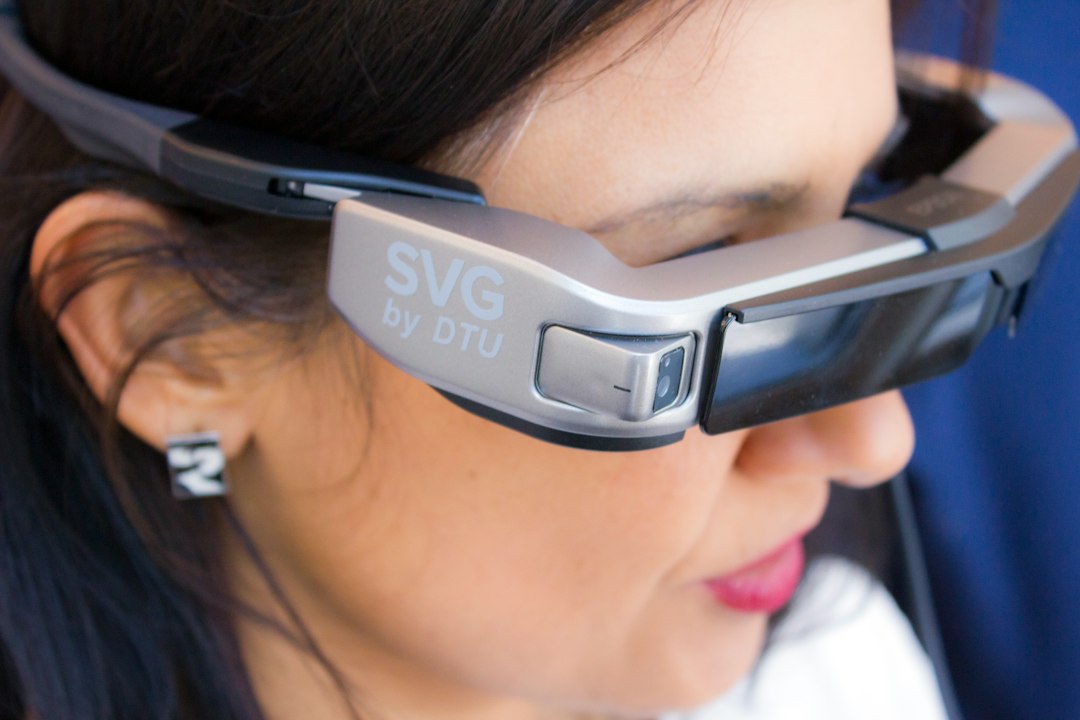
Meta unveiled its first camera-free smart glasses, the Ray-Ban Meta Audio, at its Connect 2026 conference on Wednesday, removing optical sensors entirely to sidestep mounting privacy controversies. Developed alongside eyewear giant EssilorLuxottica, the new $349 hardware focuses entirely on voice interaction, phone calls, music playback, speech translation, and queries directed to Meta's AI assistant, Muse. Removing the image sensors allowed Meta to trim device weight down to 43 grams while pushing battery life to 12 hours on a single charge.
Key points
- Meta launched Ray-Ban Meta Audio, an audio-only wearable starting at $349, developed with EssilorLuxottica.
- The hardware weighs 43 grams and runs up to 12 hours independently, or 48 hours using the charging case.
- Core functions center on voice calling, media playback, real-time speech translation, and Meta's Muse AI assistant.
- Camera-equipped Ray-Ban Meta Gen 3 frames were simultaneously updated with 12-megapixel sensors and nine-hour batteries.
- Preorders for the camera-free glasses open on October 13.
What happened
At Connect 2026, Meta detailed the Ray-Ban Meta Audio line across 23 frame and lens combinations, featuring two specific styles: a retro "Clubmaster" frame and a rectangular shape named "Burbank." Both options support prescription lenses and include adjustable temple tips, swappable nose pads, and overextension hinges designed for extended daily use. The accompanying charging case extends the hardware's 12-hour standalone run time up to 48 hours total.
Alongside the audio-only variant, Meta refreshed its flagship camera models with the Ray-Ban Meta (Gen 3). That lineup expands beyond the standard Wayfarer to add Aviator and cat-eye Zena styles. The Gen 3 models pack a 12 MP camera supporting 3K Ultra HD video, a six-microphone array, and up to nine hours of battery life. Meta also revealed marketing partnerships with singer Lisa, expanded global availability, and previewed coming software capabilities such as Dolby Atmos Capture, multi-frame photo selection, and an on-device "private processing" architecture designed to isolate user data from corporate servers.
Meta CEO Mark Zuckerberg framed the audio hardware during his keynote as an organic expansion: "Once you get used to high quality audio, it’s just a thing that you want all the time, right?"
The backstory
Meta has faced persistent public scrutiny over surreptitious recording since introducing smart glasses. Critics warned that early hardware models enabled non-consensual surveillance in public spaces. Meta tried to quell concerns by pushing software updates that shut down the camera if the recording indicator LED was covered or modified, but social discomfort around face-mounted cameras lingered.
By discarding cameras, Meta mimics the utility profile of Apple's AirPods while retaining an open-ear form factor. The design bypasses the stigma that made camera-equipped frames contentious in gyms, locker rooms, and private venues, creating an easier path to mass-market acceptance.
Solving the battery and weight equation
Computer vision imposes severe penalties on wearable power budgets and industrial design. Image sensors, video encoding chips, and thermal shielding require bulkier plastic temples and larger batteries. By eliminating camera silicon, EssilorLuxottica engineered a frame that weighs 43 grams—nearly identical to standard designer frames—without sacrificing structural integrity.
The battery metrics demonstrate the technical upside. The audio glasses run for 12 hours, a 33 percent endurance advantage over the Gen 3 camera models' nine hours. For ambient voice assistants, battery longevity dictates utility. An AI assistant that dies midway through a workday provides zero value. The extended runtime turns ambient speech queries and continuous audio streaming into viable all-day tools.
Enterprise adoption and the hearables battle
Camera-free frames resolve a fundamental enterprise blocker. Corporate campuses, data centers, hospitals, and manufacturing floors universally prohibit unauthorized cameras to safeguard intellectual property and patient confidentiality. Employees wearing camera-bearing glasses face security bans at reception desks. The Ray-Ban Meta Audio allows personnel to access voice-guided translation and assistant workflows inside secure environments without triggering compliance alarms.
This shift positions Meta directly against traditional wireless earbuds rather than heads-up display headsets. Devices like Apple's AirPods dominate daily voice queries and mobile audio, but cause ear fatigue during prolonged eight-hour wear. Open-ear directional speakers integrated into conventional eyewear offer an unobtrusive alternative for voice interfaces, hands-free field diagnostics, and asynchronous team communication.
What builders and businesses should do
- Audit physical workplace policies to distinguish between camera-bearing smart glasses and camera-free voice wearables before employees deploy them.
- Prototype voice-first internal tools and real-time translation services that rely on conversational agents rather than visual displays.
- Evaluate optical hardware procurement for field staff who need hands-free audio assistance inside camera-restricted facilities.
- Test open-ear audio wearables against standard noise-canceling headsets for call-heavy knowledge workers susceptible to ear fatigue.
The bottom line
Preorders open October 13, marking Meta's tactical shift from pure video capture toward practical, voice-first ambient hardware that enterprises can actually permit on their premises.