Meta Opens Muse AI SDK, Shipping 5,000 Home‑Link Units
Meta releases open‑source SDK for its Muse AI agent, enabling custom hardware projects and shipping a limited run of 5,000 Home‑Link gadgets; a boon for makers and enterprises.
 BuildPreview AI Desk
4 min read
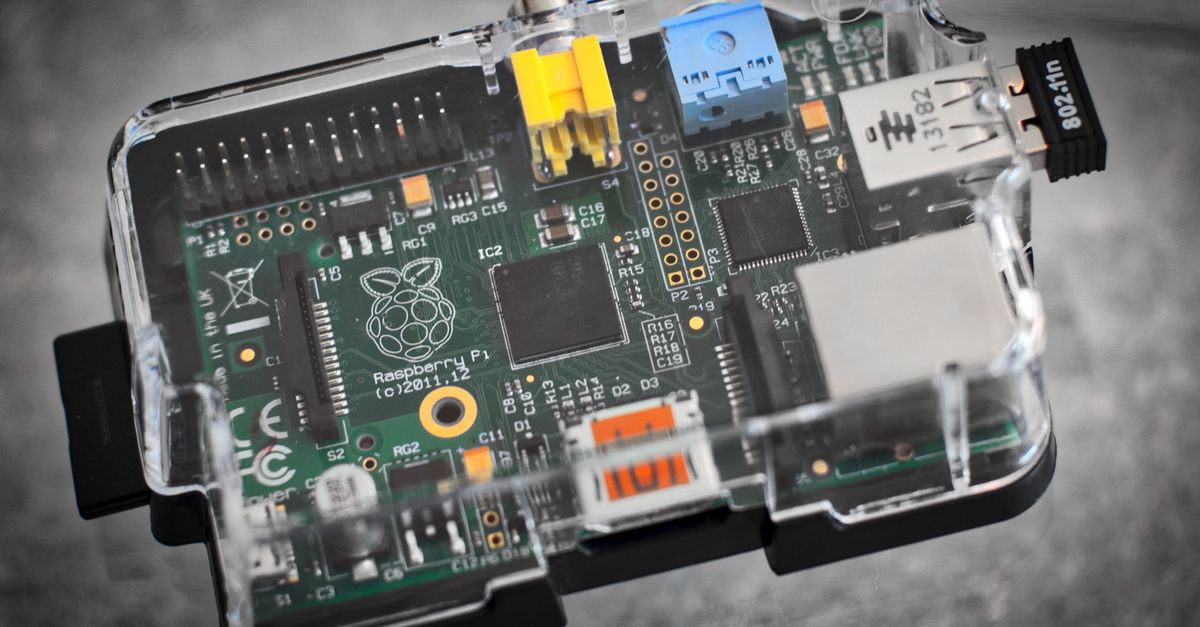
Meta has released an open‑source software development kit that lets developers embed its Muse AI agent into DIY hardware, and it has already shipped a limited run of 5,000 Muse Home‑Link units.
Key points
- Muse SDK supports ESP32 boards and Raspberry Pi.
- Meta offers a free Home‑Link prototype with 5,000 units.
- Users can connect Muse to displays, sensors, and actuators.
- Meta warns users to proceed at their own risk.
- Community skills enable device‑control tasks.
What happened
On October 3, 2026 Meta announced that it would let developers program Muse on off‑the‑shelf hardware. The company released a software kit that works with ESP32 and Raspberry Pi boards, giving access to Muse’s new AI agent. Meta suggests projects such as loading Muse on a color E‑Ink display to show reminders, adding it to an HDMI stick for big‑screen output, or building a small touchscreen charm.
The company also shipped a limited batch of 5,000 Muse Home‑Link gadgets. According to Nat Friedman from Meta Superintelligence Labs, the Home‑Link allows users to run community‑built skills that let the AI turn on a light, control a TV, send a document to a printer, and more, depending on the user’s setup. Users can claim a waitlist spot for the Home‑Link, which is expected to ship later this month.
Meta’s statement reads, “Muse gadgets are open source devices you build yourself,” and it cautions, “Proceed at your own risk!”
The backstory
Meta’s Muse AI agent is part of the company’s broader push into generative AI and agentic systems. Previous releases, such as the 2024 Meta AI platform, focused on cloud‑based APIs, but the company has been experimenting with edge deployments. The decision to open‑source the SDK follows a broader industry trend where AI providers offer hardware‑friendly toolkits to lower barriers to entry for makers and enterprise IoT developers.
The Home‑Link prototype reflects Meta’s attempt to embed its AI into everyday devices. By providing a ready‑made hardware stack, Meta hopes to spur a new ecosystem of “Muse‑powered” gadgets that can run localized, privacy‑preserving AI tasks.
Why Meta is open‑sourceing Muse
Meta’s move signals a strategic shift toward edge AI. By giving developers the code to run Muse on inexpensive boards, the company expands the potential install base while reducing its reliance on cloud infrastructure. The open‑source SDK also encourages community contributions, which can lead to faster iteration and a richer set of skills.
From a product‑roadmap perspective, the Home‑Link demonstrates a tangible use case that showcases Muse’s capabilities. The limited 5,000‑unit run serves as a beta test, allowing Meta to gather real‑world data on device performance, user interaction, and skill adoption.
Implications for hardware makers and enterprises
Hardware makers stand to benefit from the low‑cost entry point. The ESP32 and Raspberry Pi are well‑known platforms, and the SDK’s compatibility means existing supply chains can accommodate Muse without significant redesign. Enterprises that rely on IoT devices may use the Home‑Link to prototype internal automation workflows, such as controlling lighting or printing documents.
However, the “Proceed at your own risk” disclaimer signals that the SDK is still in early stages. Security and reliability are potential concerns; developers must audit the code and ensure that the agent’s behavior aligns with enterprise policy. The lack of a formal support channel could also slow adoption among risk‑averse organizations.
What builders and businesses should do
- Evaluate the SDK on a single ESP32 or Raspberry Pi before scaling.
- Test community skills in a sandbox environment to understand capabilities and limitations.
- Audit the open‑source code for security and compliance gaps.
- Join Meta’s waitlist for the Home‑Link to gain early access.
- Plan for on‑prem or hybrid deployment to keep sensitive data local.
The bottom line
Meta’s open‑source Muse SDK and limited Home‑Link release open a new niche for edge‑AI hardware. Developers who can quickly prototype on ESP32 or Raspberry Pi will see the first wave of adoption, while enterprises will need to weigh the benefits of local AI against the risks of early‑stage tooling. Shipping is slated for later this month, so the next few weeks will reveal how quickly the community can build functional, compliant solutions.