Claude Opus 5.5 Powers 15‑Second Kakapo Animation for WeAreDevelopers Keynote
At the WeAreDevelopers World Congress North America, a keynote used Claude Opus 5.5 to generate a 15‑second pixel‑art kakapo animation, illustrating LLMs’ rapid creative workflow.
 BuildPreview AI Desk
3 min read
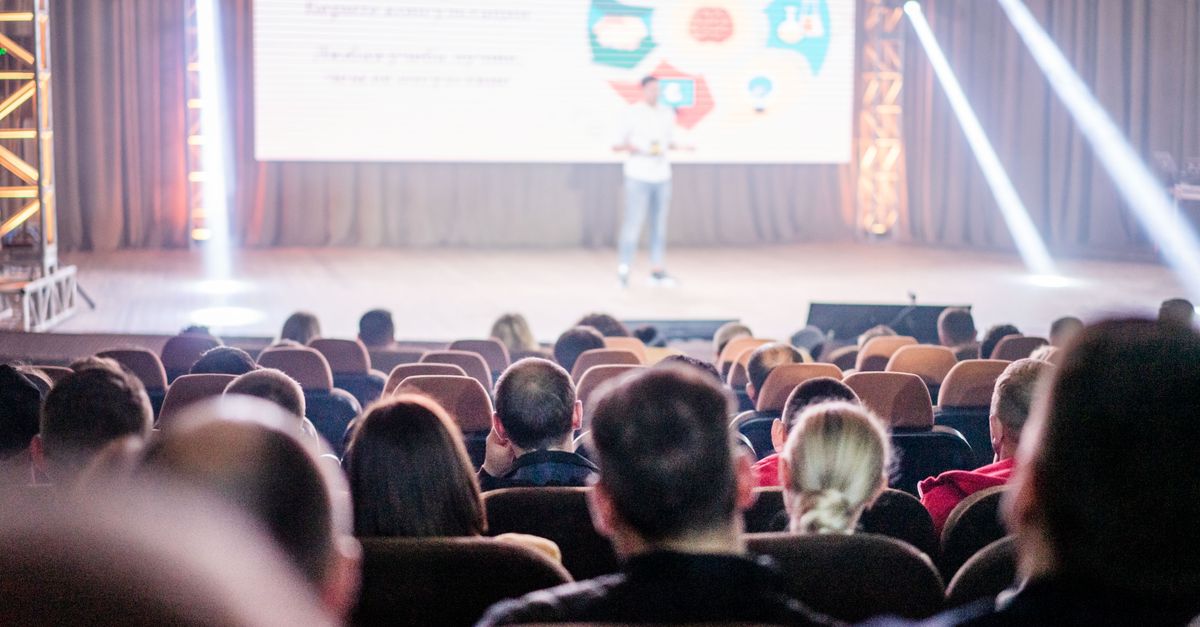
Simon Willison opened the closing keynote at the WeAreDevelopers World Congress North America by announcing that he would showcase a short animation created entirely by an LLM. He began by pulling three photos of kakapo parrots from Google and fed them into Claude Opus 5.5 with a prompt that asked for an animated pixel‑art scene on an HTML5 canvas featuring the birds jumping, confetti, and at least twenty iterations.
Key points
- Claude Opus 5.5 created 20 pixel‑art kakapo figures with confetti in a 15‑second HTML5 canvas animation.
- Willison sourced three Google images, prompted the model, and embedded the output directly into Keynote.
- Claude Code leveraged Playwright to render the page, click the canvas, and record a 15‑second video.
- The resulting video was produced in under an hour, demonstrating LLM‑assisted rapid creative workflows.
- The event highlighted how generative AI can replace traditional design pipelines for simple visual assets.
What happened
Willison then downloaded the HTML file and instructed Claude Code to use Playwright to load the page, simulate several clicks across the canvas to trigger the confetti effect, and capture a fifteen‑second video. The video, which included the required user interactions, was generated automatically and imported into the Keynote slide.
The final slide ran smoothly at the end of the session, and Willison noted the output was "pretty great" (source). The entire workflow—from prompt to video—took less than an hour and showcased the potential of LLMs to produce polished visual content without traditional design tooling.
The backstory
The kakapo, a critically endangered New Zealand parrot, had a record breeding season in 2026, which Willison referenced to tie the story to a real‑world event. In recent months, large‑language models have expanded beyond text to generate code, images, and video, and Claude Opus 5.5 is the latest iteration from Anthropic that emphasizes multimodal capabilities. The ability to produce an HTML5 animation directly from a textual prompt marks a milestone in the convergence of LLMs and web‑based creative tools.
Why LLMs are squeezing into visual pipelines
LLMs like Claude Opus 5.5 can ingest raw media, synthesize it into code, and render interactive graphics with minimal human intervention. This rapid prototyping capability reduces time to first visual concept, lowers tooling costs, and democratizes design by allowing non‑designers to generate assets. However, the output is constrained by the model’s training data and lacks fine‑grained control over style or resolution, making it best suited for low‑stakes, repetitive graphics.
Trade‑offs and future implications
While LLM‑generated visuals can replace simple assets, designers still dominate when precision, brand consistency, or complex illustration is required. The reliance on prompt engineering introduces variability, and the potential for hallucinated or copyrighted content necessitates robust verification. As models mature, businesses must weigh cost savings against governance challenges, ensuring that AI‑produced content aligns with brand guidelines and legal standards.
What builders and businesses should do
- Test LLM‑based creative pipelines for short, low‑risk assets before integrating into production.
- Embed model prompts and outputs into version‑control workflows to track changes and ensure reproducibility.
- Evaluate cost and performance trade‑offs between LLM‑generated content and traditional design tools.
- Monitor model updates and policy changes, especially for content moderation and licensing.
- Consider hybrid solutions that combine AI output with human refinement for higher‑quality deliverables.
The bottom line
Watch how Anthropic’s Claude Opus 5.5 and similar models evolve, as they may soon replace manual design steps for simple graphics. As these tools mature, businesses should plan for integration and governance.