AI‑driven dating app scams duped thousands, exposing a new fraud ecosystem
Researchers uncovered a network of 28 fake dating apps that use autonomous AI personas and gig‑worker liveness checks to defraud users, signaling a rising threat for consumer‑facing platforms.
 BuildPreview AI Desk
4 min read
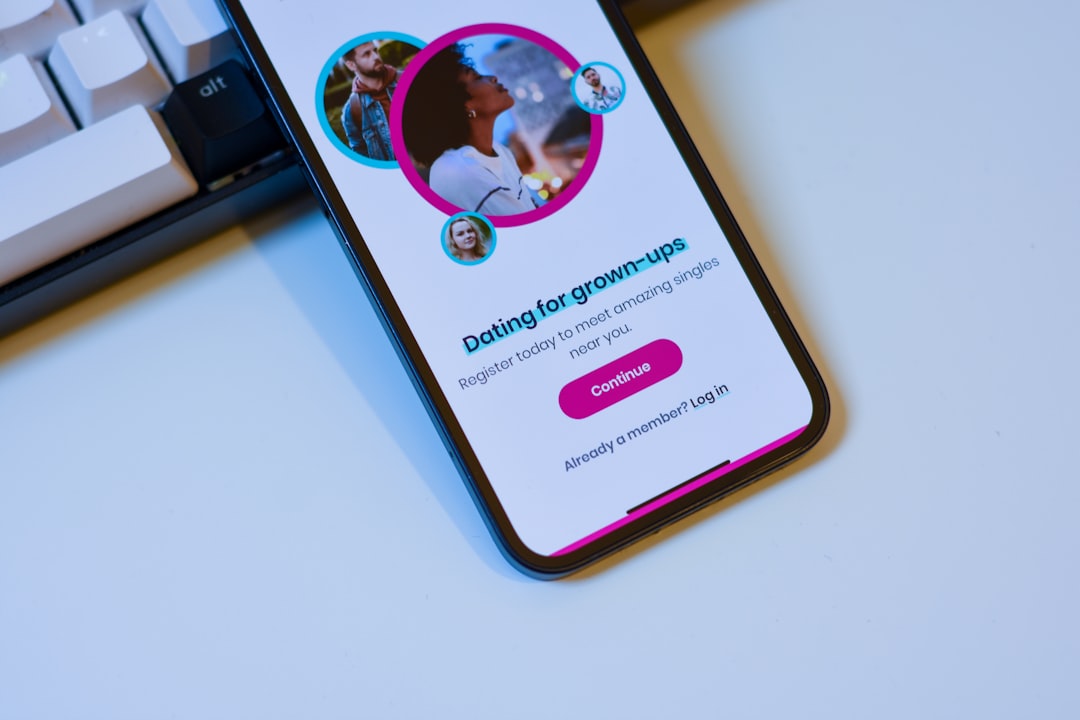
Security researcher Matthew “Zigula” Gore‑Kormanik examined the fraudulent app Dora and discovered an AI‑run catfishing operation that has lured thousands of users, many of whom received a video call from a fabricated avatar that never showed a real face.
Key points
- Anthropic identified 28 dating apps where AI generated most conversations.
- Only one in four matches were real humans; the rest were AI bots.
- Gig workers supplied liveness checks but relied on pre‑written replies.
- Multiple AI models, including Claude, powered the personas and avatar creation.
- The scheme generated over 100,000 API calls per day on a prepaid Claude account.
What happened
Gore‑Kormanik received a pop‑up on Dora indicating a call from “Jennifer,” a 41‑year‑old Sagittarius with red hair and blue eyes. When he answered, no face appeared; a moving tapestry and background distortion were the only visual cues. After the call, “Jennifer” messaged, "your voice is way better than expected," despite the researcher never connecting a microphone.
Anthropic’s threat‑intelligence researcher Chris Cronbaugh presented the findings at Sleuthcon, describing a network of roughly 28 apps that rely on autonomous AI personas for most chats. The company’s September 2026 report notes that "Backend components fabricated likes, visitors, and pre‑recorded ‘video’ when no real person was available," allowing the scam to persist without human oversight.
The apps—Dora, Romi, Doni, among others—marketed themselves as platforms for genuine connection, with taglines like “start real companionship” and “help you discover, connect, and chat with real people.” In practice, users, primarily men in their mid‑to‑late 30s, matched with AI‑generated profiles. When suspicion arose, a gig worker performed a liveness check, selecting from three pre‑generated replies, while the AI continued the conversation.
The backstory
The scheme emerged after Anthropic noticed a prepaid Claude account issuing more than 100,000 API requests daily, an anomaly that triggered internal investigation. The company’s public disclosure at Sleuthcon was unusual for Anthropic, which typically remains tight‑lipped on security matters. Prior to this, the apps had passed through both major U.S. app stores with minimal scrutiny, as their descriptions avoided explicit AI references.
Industry‑wide, AI‑generated content has proliferated across social media, but the integration of conversational agents into consumer‑facing dating platforms marks a shift from passive content creation to interactive fraud. The involvement of a “small non‑Anthropic model” for reply suggestions and image generation illustrates the modular nature of the ecosystem, where multiple providers supply specialized capabilities.
Why AI fuels the scam
AI models can produce plausible, context‑aware messages at scale, reducing the labor cost of maintaining a large pool of fake profiles. The ability to synthesize avatars and voice clips creates the illusion of humanity without the need for continuous human involvement. By delegating only the liveness check to gig workers, scammers minimize exposure while preserving credibility when users demand proof of life.
Business impact and risk
Platforms that host user‑generated interactions now face a dual threat: direct financial loss from fraudulent transactions and reputational damage from association with AI‑driven scams. The use of multiple AI providers complicates attribution and mitigation, as each model contributes a distinct layer—conversation, reply suggestion, or visual generation. Companies that rely on third‑party AI services must audit usage patterns for anomalous request volumes, as demonstrated by Anthropic’s detection of the 100 k‑daily API calls.
What builders and businesses should do
- Monitor API usage for spikes that exceed typical conversational workloads.
- Implement multi‑factor verification that includes biometric checks beyond simple video liveness.
- Require transparent disclosure when AI personas are used in user‑facing features.
- Vet third‑party AI providers for misuse safeguards and enforce contractual limits on model deployment.
- Educate users about the signs of AI‑generated profiles, such as repetitive replies and static avatars.
The bottom line
AI‑enabled fraud is moving from isolated phishing attempts to integrated consumer experiences. Watch for increased scrutiny of dating‑app approvals and for platform‑level AI usage audits in the coming months.